← Conteneurs spécifiques
National Conteneur

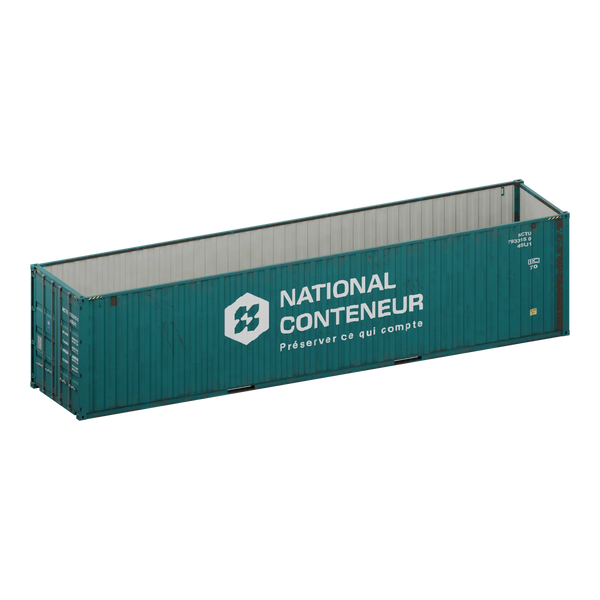
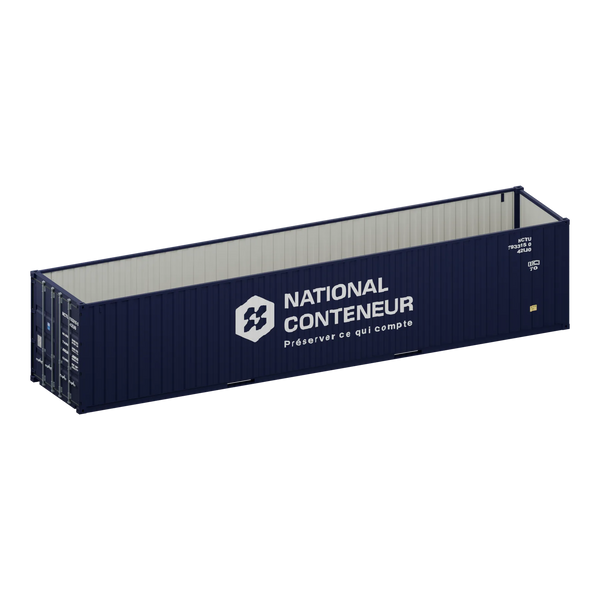
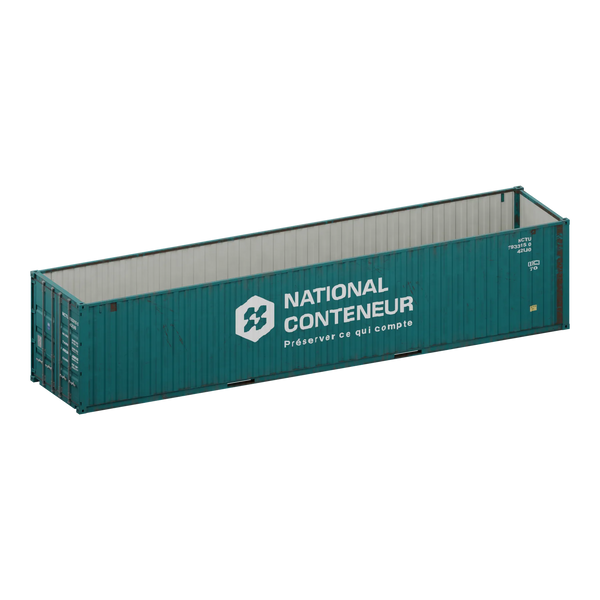
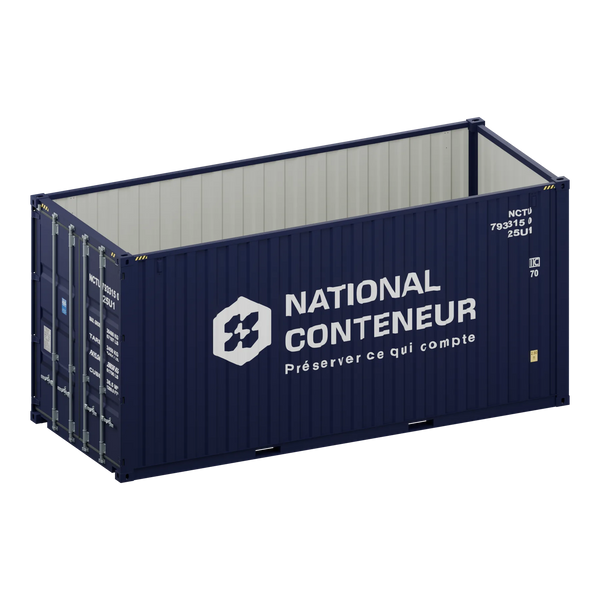
Conteneurs Open Top

8 references Request a quote
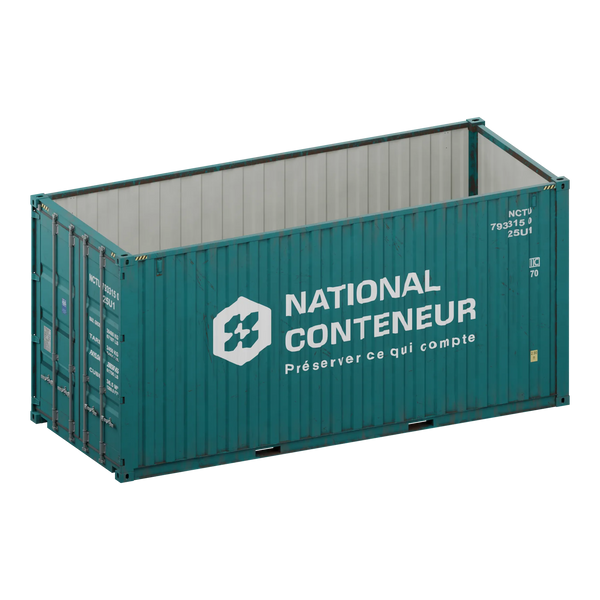
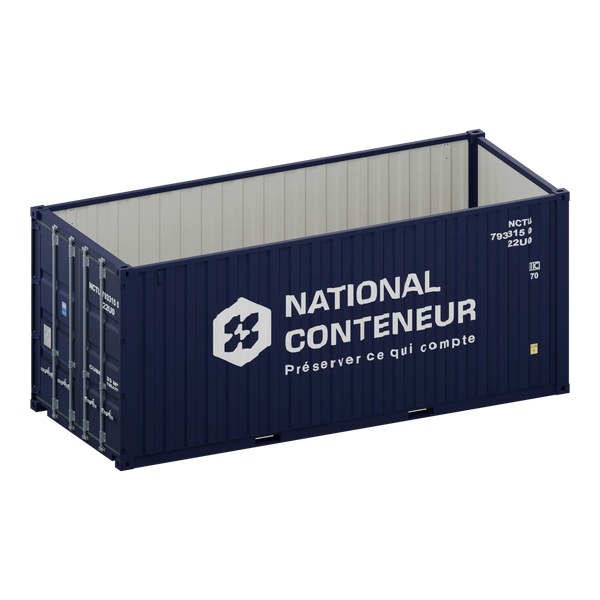
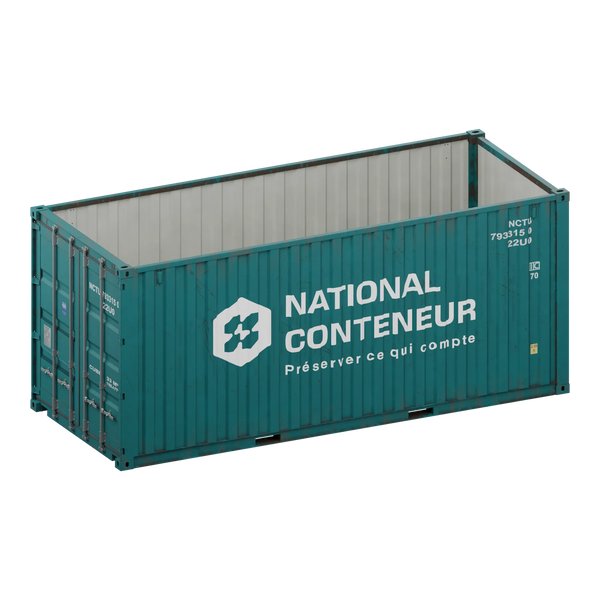
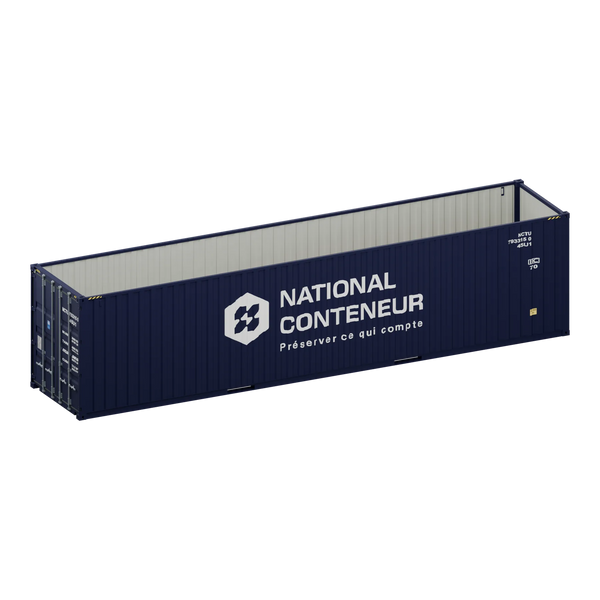
Open Top container with removable tarpaulin roof, for vertical OOG loading by crane or overhead hoist.

Definition

What is a Open Top container?

La famille Open Top regroupe les conteneurs conçus pour charger par le haut. Elle sert aux marchandises qui ne passent pas facilement par les portes arrière.

Le chargement vertical se fait généralement avec une grue ou un moyen de levage adapté. Cette logique répond aux pièces hautes, longues ou difficiles à manœuvrer à l’intérieur d’un Dry.

Le choix dépend du gabarit, du poids, de la méthode de levage et du besoin de protection supérieure. Les charges OOG — Out Of Gauge, hors gabarit standard — demandent un cadrage précis avant devis.

  • Chargement par le haut

    L’ouverture supérieure permet de déposer la marchandise verticalement. Elle évite les manœuvres impossibles par les portes arrière.

  • Levage à anticiper

    Le levage impose de vérifier poids, appuis et accès grue. La manutention fait partie du choix technique.

  • Protection selon usage

    La protection supérieure dépend du format et de la marchandise. Elle doit être cadrée si la charge reste exposée dehors.

Range overview

The Open Top container range

La gamme Open Top répond aux besoins de chargement vertical. Elle complète les formats fermés quand la marchandise impose une entrée par le haut.

Les sous-familles distinguent l’Open Top classique et les formats liés au Hard Top. Le choix dépend de la protection attendue et du moyen de levage disponible.

  • Toit ouvert

    Open Top

    L’Open Top facilite le chargement vertical. Il convient aux machines, pièces hautes et marchandises difficiles à charger horizontalement.

  • Toit rigide

    Hard Top

    Le Hard Top ajoute une protection supérieure rigide. Il sert quand l’ouverture par le haut doit rester compatible avec une fermeture plus protectrice.

Specifications table
Specification Value Key point
Accès Ouverture supérieure Le chargement vertical répond aux marchandises hautes ou difficiles à manœuvrer.
Manutention Grue ou levage adapté Le moyen de levage doit être prévu avant la livraison.
Gabarit OOG selon chargement OOG signifie hors gabarit standard.
Tarif Sur devis Le prix dépend du format, de l’état et de la disponibilité.

Uses

Sectors and uses for Open Top containers

Les usages Open Top apparaissent lorsque la marchandise doit entrer par le haut. La méthode de levage et la zone de manutention doivent être validées très tôt.

  • Machines industrielles

    Les équipements hauts ou difficiles à glisser dans une caisse fermée peuvent être déposés verticalement. Le levage doit être dimensionné.

  • Matériaux longs

    Certains matériaux ou pièces de chantier se chargent mieux par le haut. Le format limite les manœuvres internes.

  • Charges hors gabarit

    Les charges OOG demandent une lecture des dimensions, du poids et des appuis. Le devis doit intégrer ces contraintes.

Warranties

Our warranties

These warranties frame the purchase before delivery. They cover the inspection of the unit, technical advice, available documents and transport coordination.

  • Pre-sale inspection

    Every unit is inspected before the sale. We check the structure, the doors, the seals, the floor and the points that matter for the intended use.

  • Technical advice

    We frame the size, the condition and the site constraints before quoting. The choice remains tied to your use, the operating lifetime and the delivery method.

  • Useful documents

    The available documents are handed over with the sale. The CSC plate — International Convention for Safe Containers — certifies safety compliance when it is required.

  • Coordinated delivery

    The delivery appointment is prepared around the access constraints. The truck, the drop-off and the handling are chosen according to the ground and the size ordered.

Condition

Choosing between First-trip and Used

  • Image and lifetime first

    First-trip

    The First-trip label means it is a new unit, straight from the factory after a single sea voyage. It keeps intact paintwork, a near-new structure and a long operating lifetime.

    This choice suits visible projects, well-finished conversions and professional uses where the site's image matters as much as the function.

    • Near-new appearance for a visible site or client reception area.
    • Paintwork, seals and floor at the cleanest level.
    • A consistent investment for long-term operation.
  • Budget and use first

    Used

    A used container has already been in shipping service. It may show dents, scratches or surface rust marks, without losing its strength or watertightness as long as the unit is inspected.

    This choice optimises the budget for storage, worksite and industrial uses where the external appearance is not a priority.

    • Lower initial budget for storage, worksite and industry.
    • Signs of use accepted when the structure and watertightness are inspected.
    • A rational choice when aesthetics are not a priority.

The right question: what does your end client see?

If the container contributes to the site's image, First-trip secures the result. If the goal is to store or produce at the best cost, an inspected Used unit is often enough.

Pricing

How much does a Open Top container cost

The price of a container is not fixed. It moves every week, in step with the global market.

A shipping container is an international trade product. Its price depends on shipping demand, logistics disruptions, the cost of Corten steel and transport to the site.

At National Conteneur, we do not promise a fixed price for the year. We give the real price of the day, at the moment of your quote request.

Prices vary with market conditions. To obtain an up-to-date quote, contact National Conteneur to request a quote.

Process

How does a project unfold?

  • Quote request

    You specify the container type, the intended use, the delivery town and any known access constraints.

  • Technical advice

    We check the size, the condition, the useful options and the delivery feasibility before pricing the project.

  • Quote approval

    The quote sets out the chosen configuration, the departure area, transport, unloading and the estimated lead times.

  • On-site delivery

    The delivery is scheduled with the right carrier. The drop-off is done according to the access, the ground and the size ordered.

Delivery

Our delivery process

A container delivery is prepared before the truck leaves. The goal is to confirm the access, the placement area and the unloading method before the unit reaches the site.

  • Access and location

    We check the access width, the clearance height, the ground bearing capacity and the placement area to avoid an impossible delivery.

  • Truck selection

    The crane truck covers most deliveries. A mobile crane can be arranged when the reach, the weight or the access requires it.

  • Unloading

    The container is set down at the approved location. The four load-bearing corners must rest on a stable, prepared support.

  • Handover

    You inspect the delivered unit and the placement conditions. The useful information stays available for follow-up after delivery.

Next step

Have a project? Request a quote.

FAQ

Your frequently asked questions about our containers

What types of containers do you offer?

We offer Dry, Reefer, Open Side, Open Top, Hard Top, Flat Rack, Insulated, Offshore and Converted containers. Availability varies by format, condition and arrivals.

Do you deliver throughout France?

Yes, we deliver throughout mainland France with transport suited to the container format and site constraints. Access, the drop-off area and any handling needs are confirmed before shipping.

What is the delivery lead time?

The lead time depends on the model, the chosen condition, available stock and delivery distance. Common formats can generally be scheduled quickly after the quote is confirmed.

How do I get a quote?

You can request a quote online by specifying the container type, format, desired condition, delivery location and access constraints. An advisor will then confirm the most suitable solution.

Have other questions?