
occasion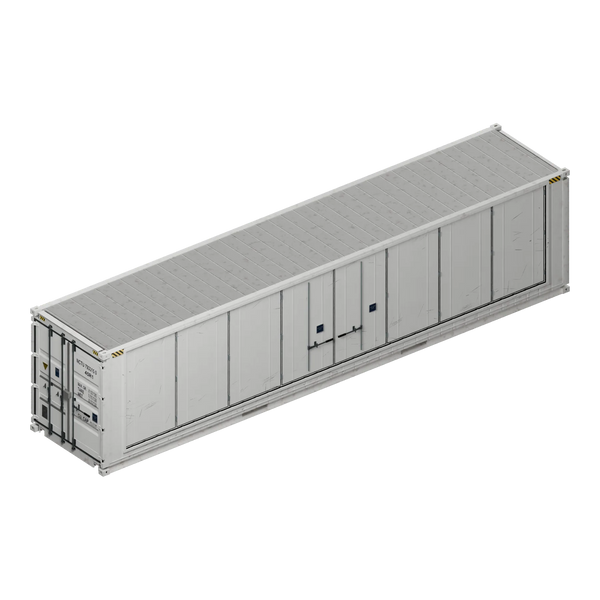
40ft Reefer Open Side Container - Used
- Floor area
- 24,9 m²
- Volume
- 60,0 m³
- Length
- 12,2 m
FromPrice on request
View

Definition
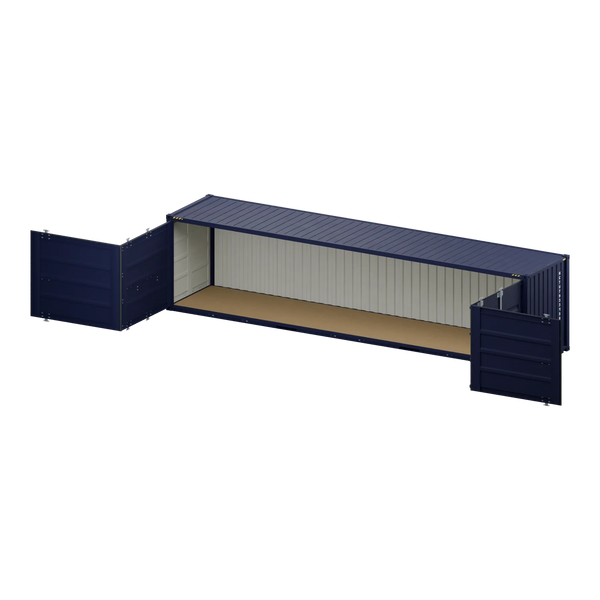
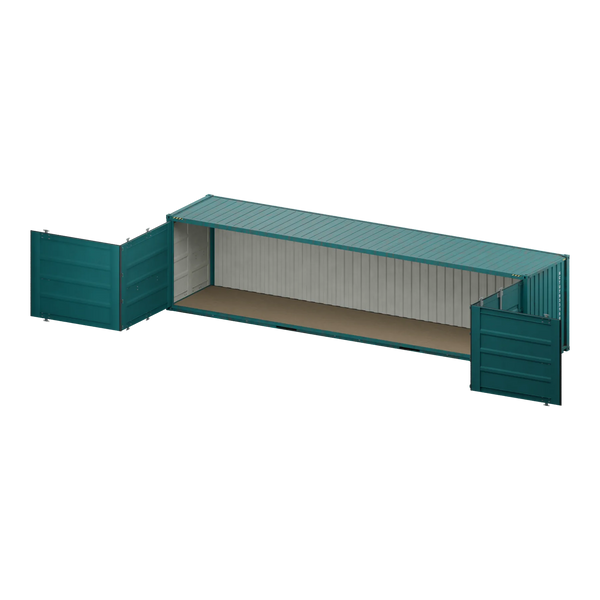
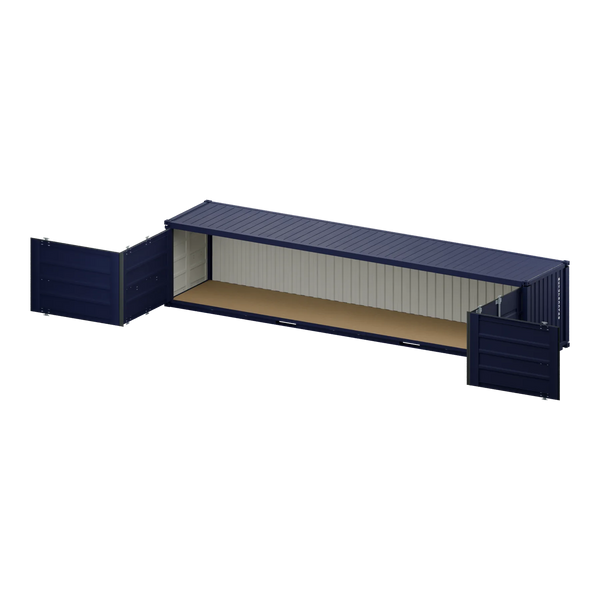
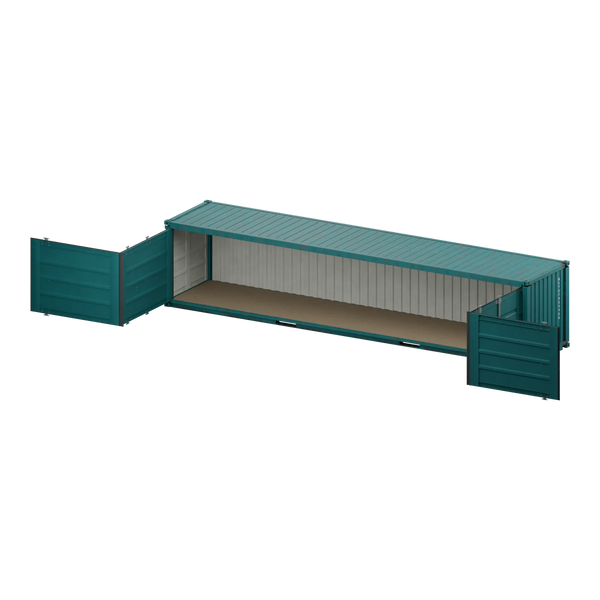
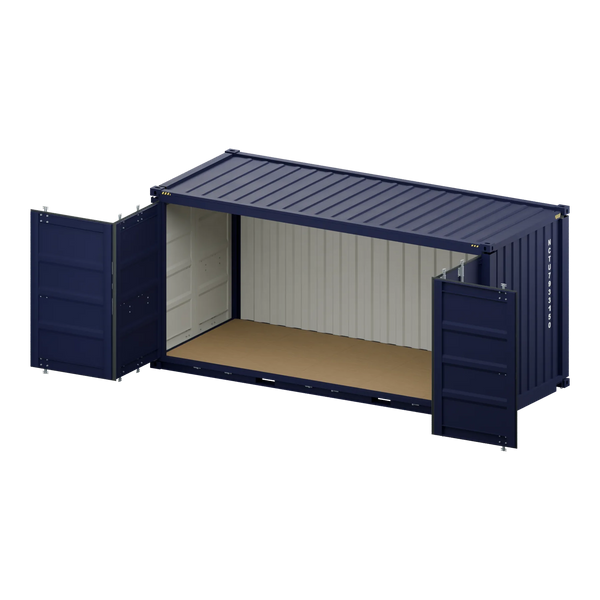
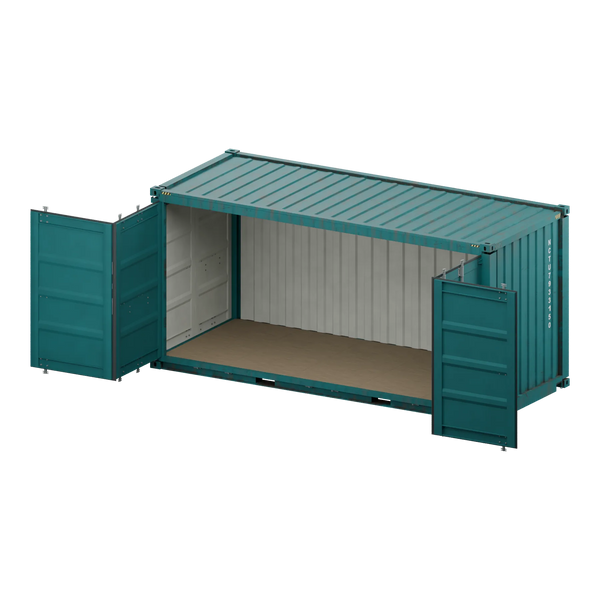
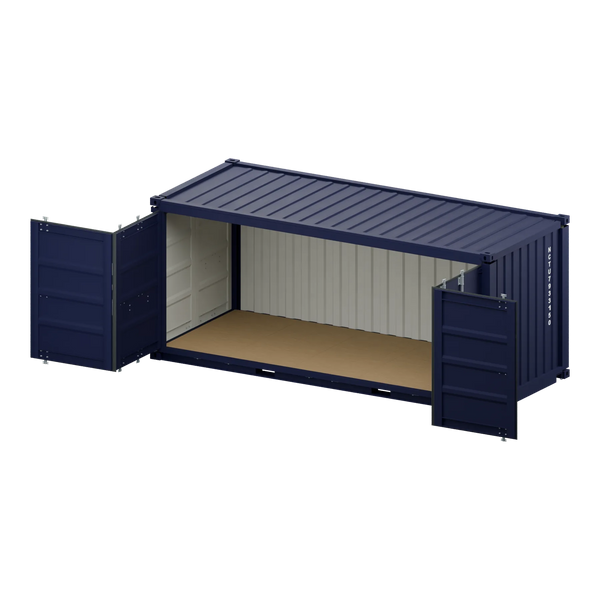
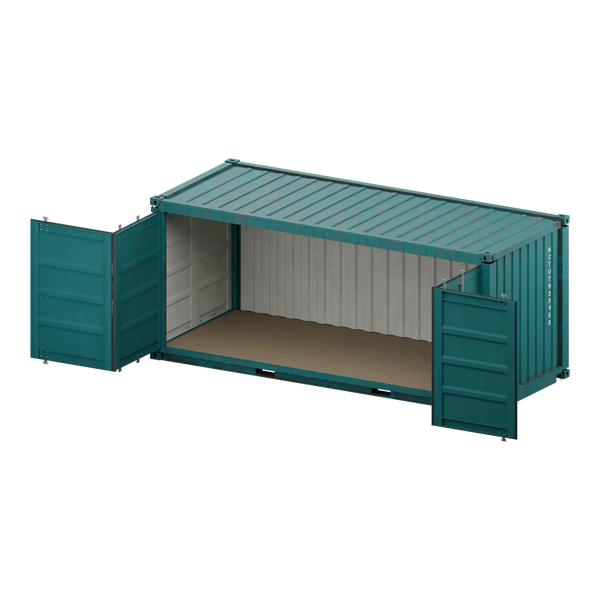
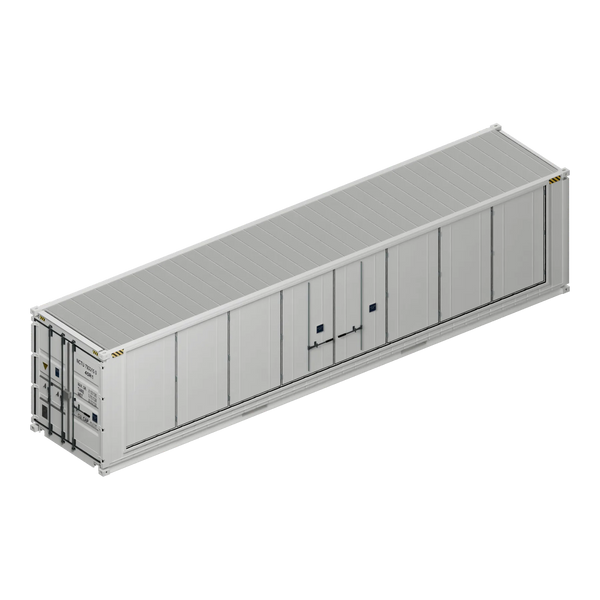
La famille Open Side regroupe les conteneurs équipés d’une ouverture latérale. Elle facilite l’accès à la marchandise sur la longueur du caisson.
Cette configuration sert quand les portes arrière ne suffisent pas. Elle réduit les manipulations pour les charges longues, les stands, les ateliers ou les stocks à accès fréquent.
Le choix dépend de la largeur nécessaire, de la fréquence d’ouverture et de l’état des portes latérales. La livraison doit aussi tenir compte du dégagement nécessaire pour ouvrir le côté.
L’ouverture sur la longueur améliore l’accès aux marchandises. Elle évite de vider le conteneur pour atteindre une charge située au fond.
Le format convient aux chantiers, ateliers et points de retrait. Il fluidifie les accès répétés au matériel.
Les portes latérales demandent un espace libre devant le conteneur. Cette contrainte doit être vérifiée avant livraison.

Technical guide
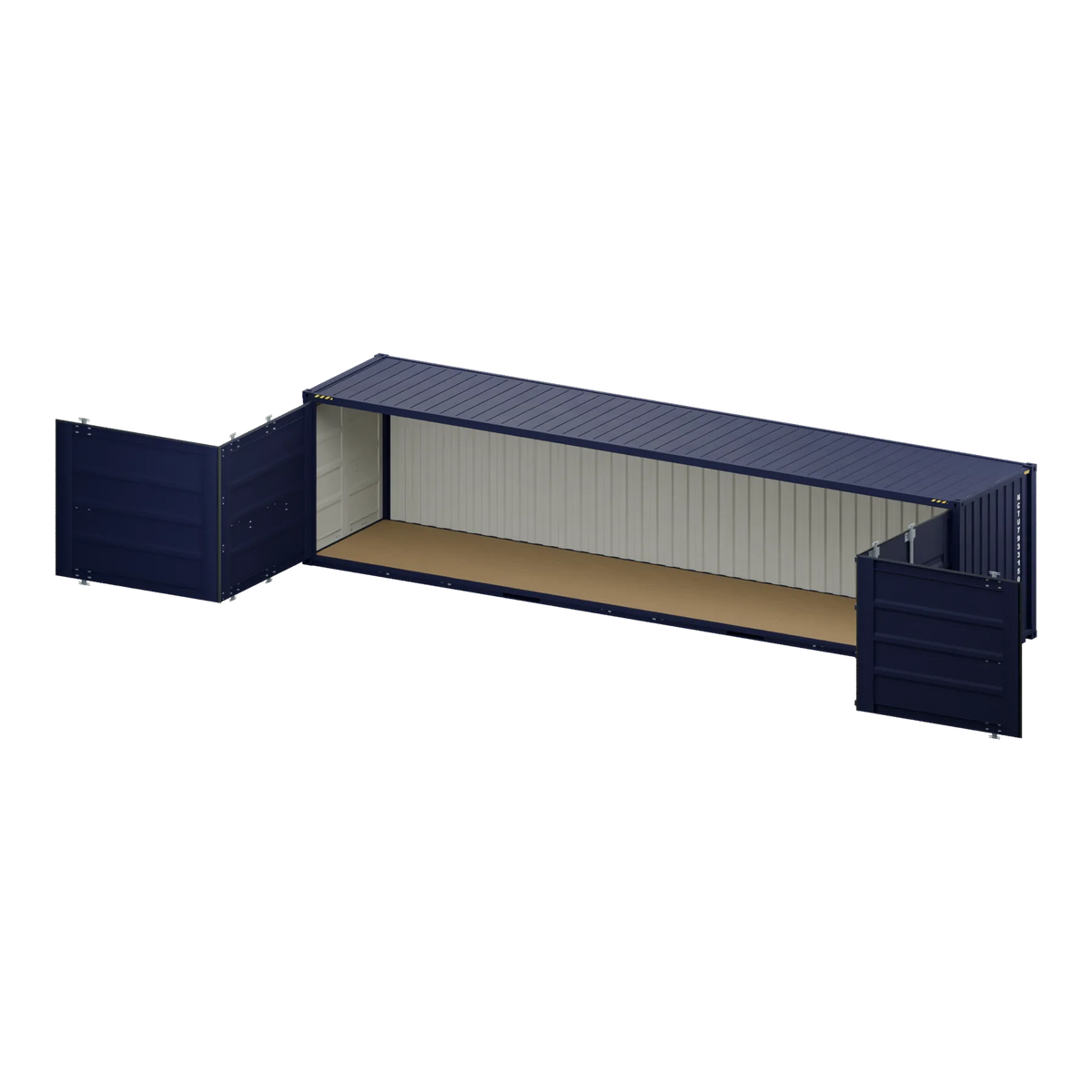
The numbered markers refer to the explanations below. Use them to locate the features of this configuration before comparing models.
The header reinforces the top of the large side opening.
Check the clear opening between frame members with the doors folded back. Compare it with the loaded dimensions and the planned movement of handling equipment. Any cut or frame modification must be assessed before work; it cannot be based solely on the container’s exterior width.
The sill supports the usable passage through the side opening.
The sill is part of the loading route. Check its height, floor level relative to the ground and point loads from the equipment used. If a ramp or dock connection is planned, its supports and capacity must be specified for that operation.
Example configuration. Openings, equipment and dimensions depend on the selected model; refer to its technical specifications.
Range overview
La gamme Open Side répond aux besoins où l’accès prime sur la simple capacité. Elle complète les formats Dry quand le chargement arrière ralentit l’exploitation.
Les sous-familles distinguent les formats standards et High Cube. Le choix dépend du volume, de la hauteur et du dégagement latéral disponible.
Ouverture latérale
L’Open Side standard facilite le chargement latéral. Il convient aux stocks à rotation et aux charges accessibles sur toute la longueur.
Volume haut
L’Open Side High Cube combine ouverture latérale et volume supplémentaire. Il devient utile pour les charges volumineuses et accessibles fréquemment.
| Specification | Value | Key point |
|---|---|---|
| Ouverture | Latérale | L’accès sur la longueur réduit les manipulations internes. |
| Structure | Acier Corten selon modèles | La caisse reste adaptée aux usages extérieurs. |
| Contrainte site | Dégagement latéral | L’espace d’ouverture doit être disponible sur le terrain. |
| Tarif | Sur devis | Le prix dépend du format, de l’état et de la disponibilité. |
Le choix de l’état
L’aspect attendu, l’usage et le budget orientent le choix. Demandez les photos et les caractéristiques du conteneur proposé avant de vous décider.


Un conteneur premier voyage est une unité récemment fabriquée qui a effectué un trajet maritime de positionnement. Son aspect est généralement proche du neuf, mais de petites marques de transport ou de manutention restent possibles.
C’est une option à privilégier pour une installation visible, un aménagement soigné ou un projet où l’état initial compte particulièrement. Demandez les photos et les caractéristiques du conteneur proposé.
Un conteneur d’occasion a déjà servi au transport maritime. Les bosses, les reprises de peinture, la corrosion et les réparations varient d’une unité à l’autre : l’appellation seule ne décrit pas son état réel.
Pour le stockage, le chantier ou un usage technique, une occasion contrôlée peut répondre au besoin avec un budget initial plus contenu. Distinguez les traces d’usage acceptables des défauts qui affectent la structure, la fermeture des portes ou l’étanchéité.
Pour un transport maritime international, faites aussi confirmer la validité CSC et l’aptitude de l’unité au transport prévu. La plaque ne remplace pas l’examen du conteneur.
À format comparable, l’occasion est généralement moins chère à l’achat. Vérifiez aussi ce que le devis inclut : le conteneur, le transport et le déchargement sur votre site.
À format identique, les dimensions nominales restent les mêmes ; la tare et la charge utile se vérifient sur les plaques. Pour un frigorifique, un Open Side ou un conteneur équipé, contrôlez aussi les équipements décisifs pour votre usage : groupe froid, portes ou installations.

Uses
Les usages Open Side concernent les situations où l’accès arrière devient trop lent ou trop contraignant. Le format améliore le travail quotidien autour du conteneur.
Les équipes accèdent vite aux outils et consommables. L’ouverture latérale évite de déplacer tout le stock.
Le conteneur peut servir de stand, réserve ou point de distribution. La façade latérale améliore l’usage face au public.
L’accès long facilite l’organisation d’un poste de travail ou d’un stock technique. Le format reste mobile selon les contraintes du site.
Warranties
These warranties frame the purchase before delivery. They cover the inspection of the unit, technical advice, available documents and transport coordination.
Every unit is inspected before the sale. We check the structure, the doors, the seals, the floor and the points that matter for the intended use.
We frame the size, the condition and the site constraints before quoting. The choice remains tied to your use, the operating lifetime and the delivery method.
The available documents are handed over with the sale. The CSC plate — International Convention for Safe Containers — certifies safety compliance when it is required.
The delivery appointment is prepared around the access constraints. The truck, the drop-off and the handling are chosen according to the ground and the size ordered.
Understanding the price
Prices are not fixed for the year and may change from week to week. Size, condition, equipment and availability at the time of your enquiry all affect the quotation.
When more containers remain in circulation carrying goods, fewer may be available for sale. Availability affects pricing.
Port disruptions, changes to shipping routes or delayed returns can affect available stock and its location.
The container’s location and destination affect its delivered cost. A model held at a distant depot involves different transport requirements to your site.
Your quotation is prepared at the time of your enquiry. It specifies the included services and validity conditions.
Provide the delivery location, access photos, intended position and target date so these services can be quoted.
Plan access and unloadingProcess
You specify the container type, the intended use, the delivery town and any known access constraints.
We check the size, the condition, the useful options and the delivery feasibility before pricing the project.
The quote sets out the chosen configuration, the departure area, transport, unloading and the estimated lead times.
The delivery is scheduled with the right carrier. The drop-off is done according to the access, the ground and the size ordered.

Delivery
A container delivery is prepared before the truck leaves. The goal is to confirm the access, the placement area and the unloading method before the unit reaches the site.
National Conteneur helps you choose the right format, the right condition and the right delivery method.
FAQ
We offer Dry, Reefer, Open Side, Open Top, Hard Top, Flat Rack, Insulated, Offshore and Converted containers. Availability varies by format, condition and arrivals.
Yes, we deliver throughout mainland France with transport suited to the container format and site constraints. Access, the drop-off area and any handling needs are confirmed before shipping.
The lead time depends on the model, the chosen condition, available stock and delivery distance. Common formats can generally be scheduled quickly after the quote is confirmed.
You can request a quote online by specifying the container type, format, desired condition, delivery location and access constraints. An advisor will then confirm the most suitable solution.
Have other questions?