
premier voyage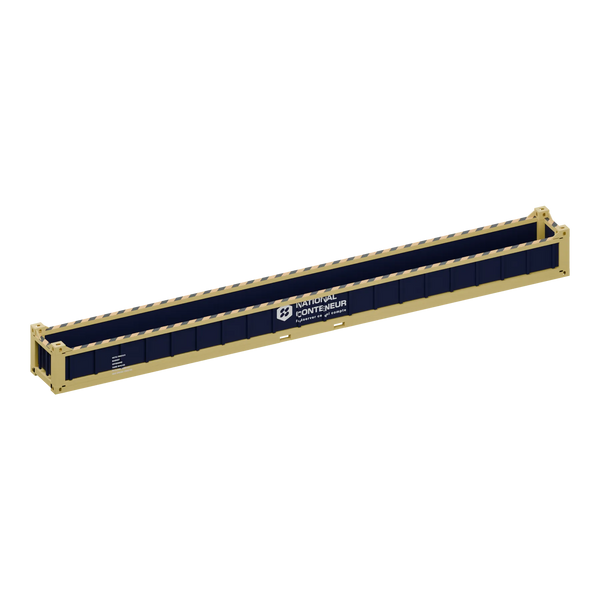
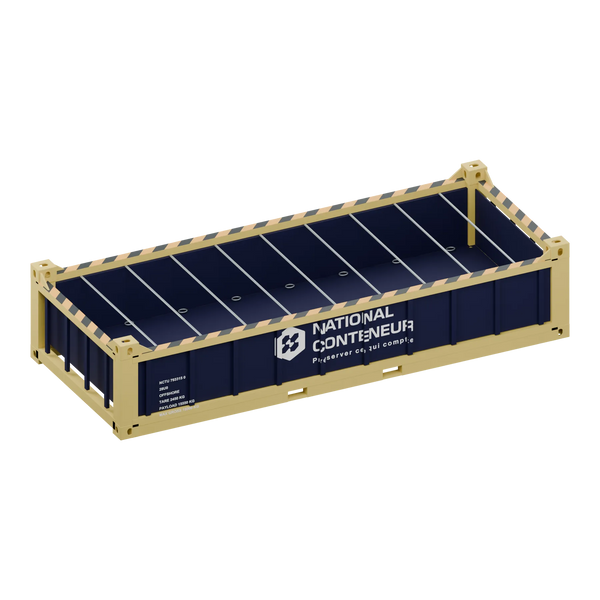
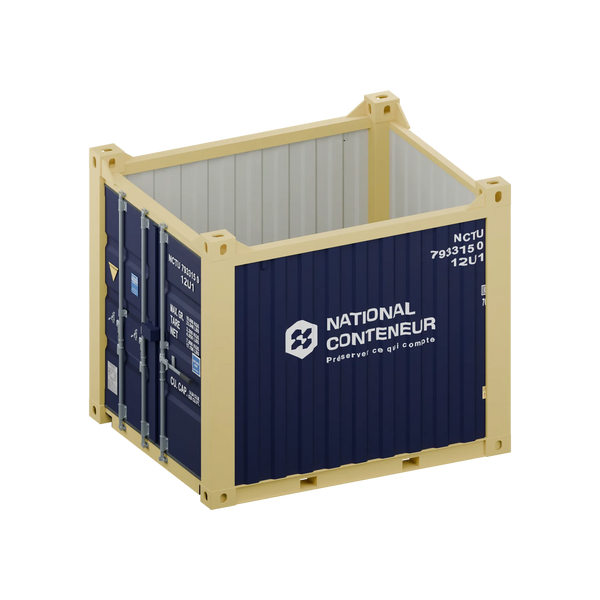
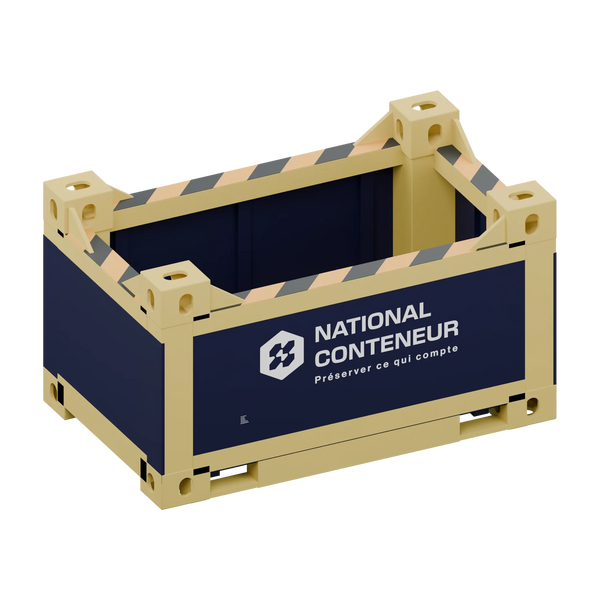
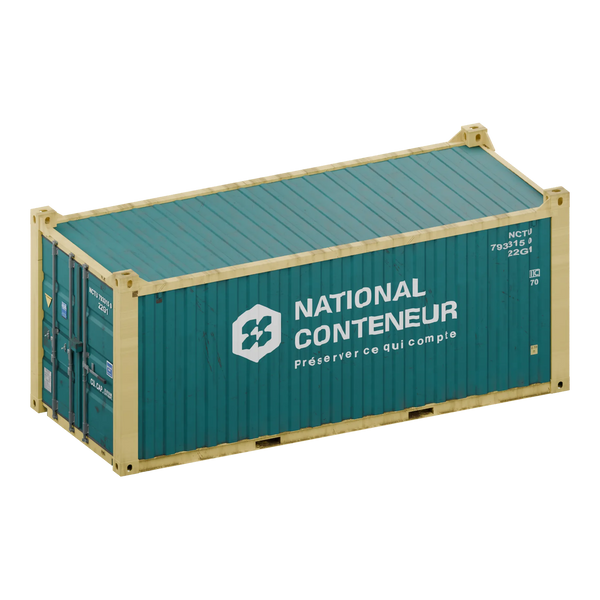
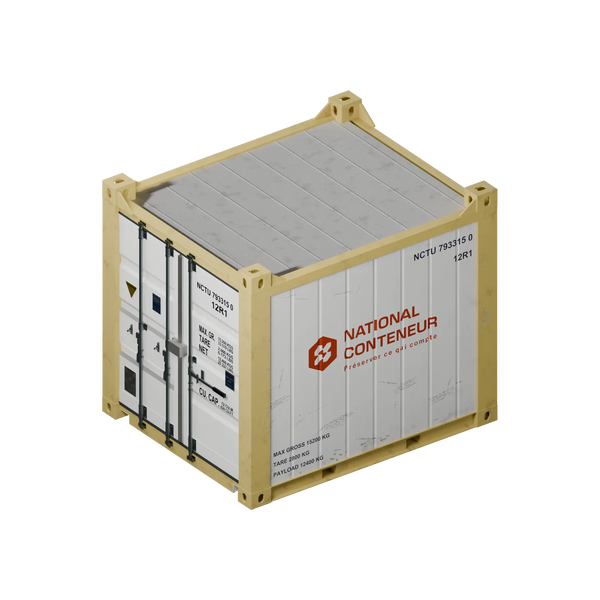
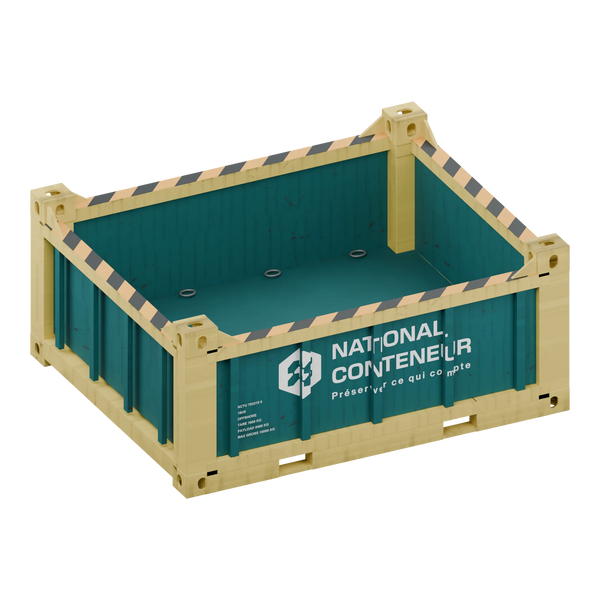
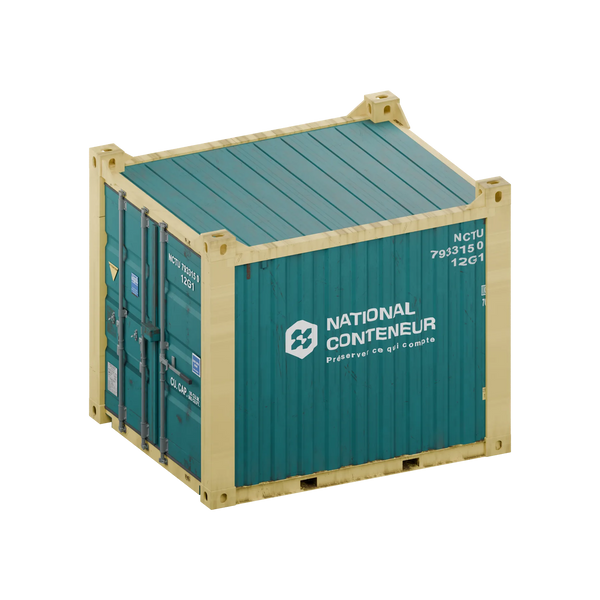
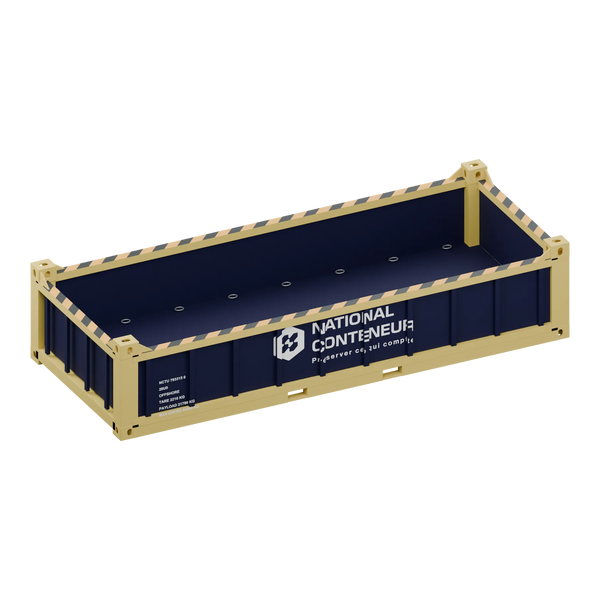
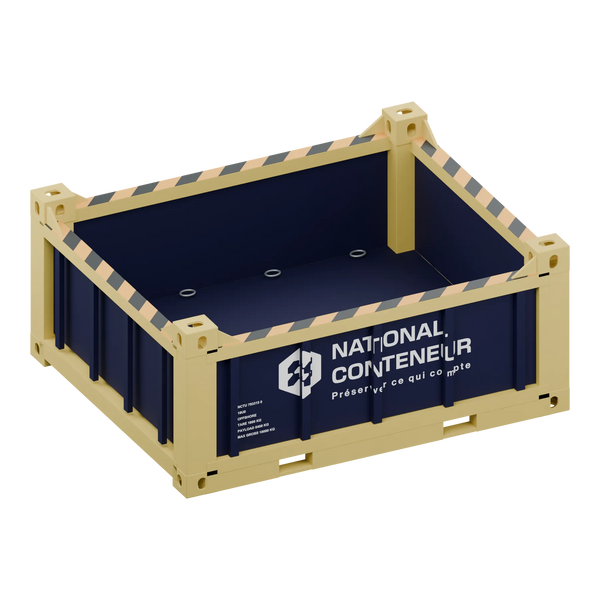
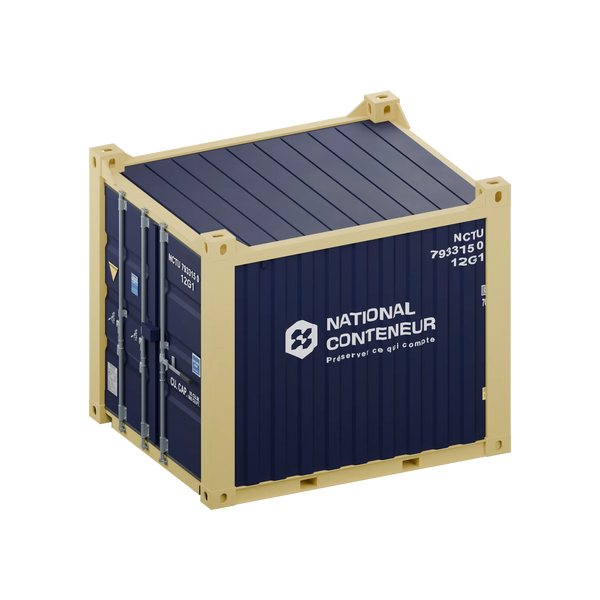
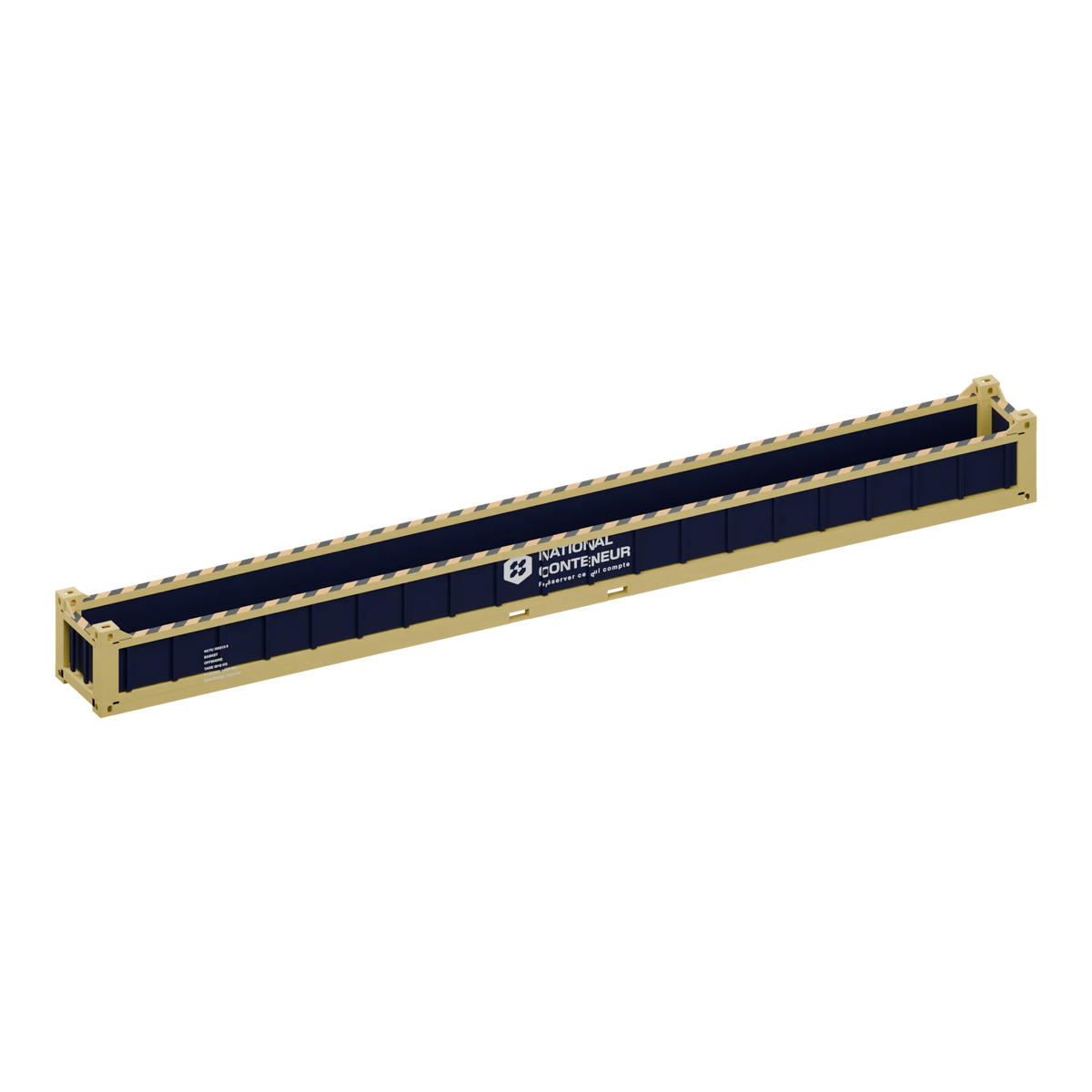
Conteneur 40 Pieds Basket DNV Offshore
- Floor area
- 11,74 m²
- Volume
- 10,2 m³
- Length
- 12,2 m
FromPrice on request
View

Definition
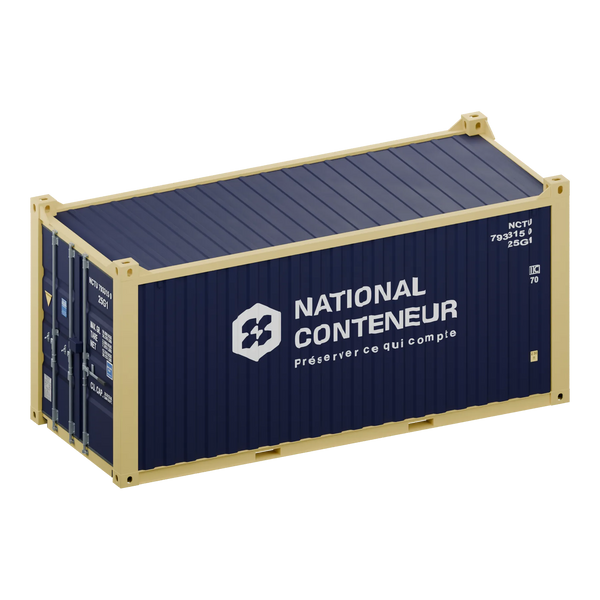
La famille DNV regroupe les conteneurs destinés aux opérations offshore. Elle répond aux contraintes de levage, de manutention et de documentation en environnement marin.
DNV 2.7-1 est une norme dédiée aux unités offshore levées en mer. Elle encadre la conception, les points de levage et les exigences de sécurité.
Le choix dépend du format, de la charge, des documents disponibles et du contexte d’exploitation. Ces éléments doivent être validés avant devis.
La norme encadre les conteneurs offshore soumis au levage. Elle sécurise la conception et les points de manutention.
Le format répond aux opérations marines, portuaires et techniques qui demandent un niveau de sécurité dédié.

Range overview
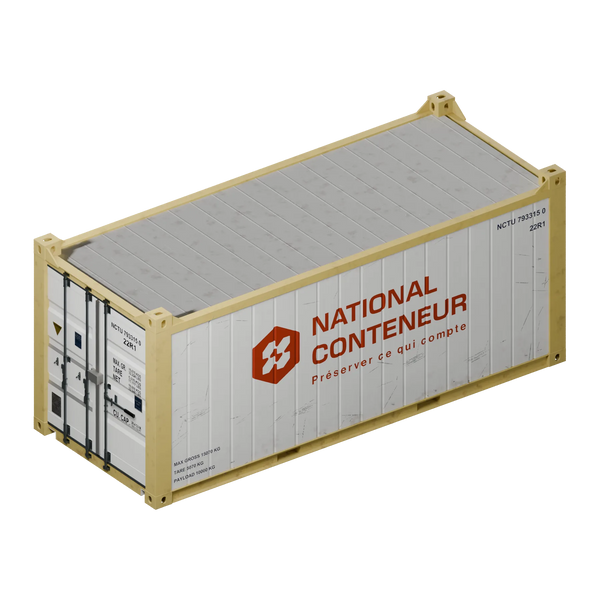
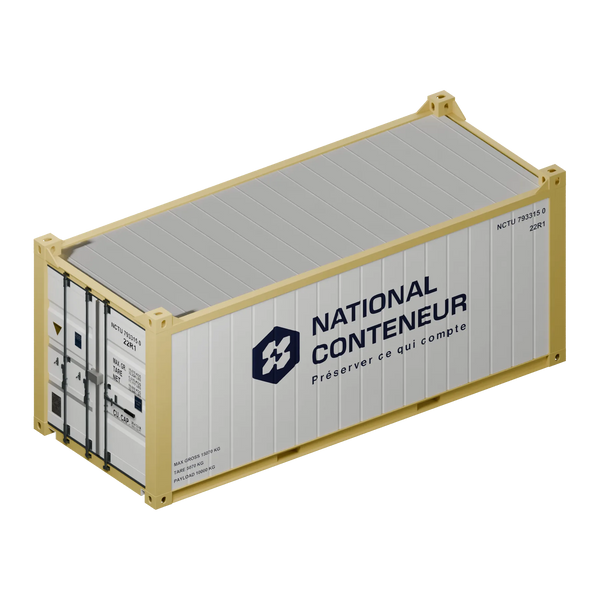
La gamme DNV couvre les unités offshore standards, demi-hauteur et frigorifiques. Elle se choisit selon la charge, le volume et le besoin de conformité.
Chaque sous-famille doit être rapprochée des documents et contraintes de levage attendus.
Offshore
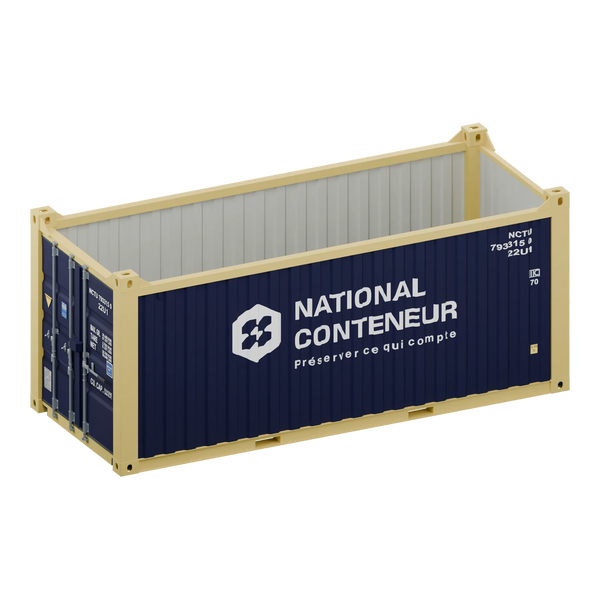
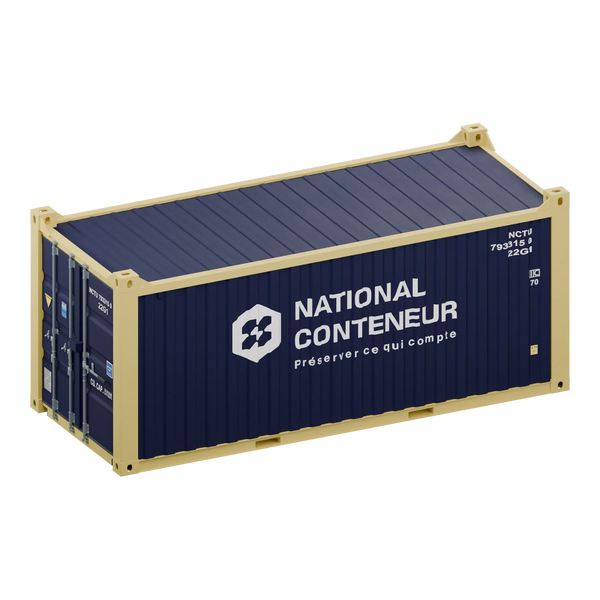
Le conteneur DNV répond aux opérations offshore qui exigent une conformité de levage dédiée.
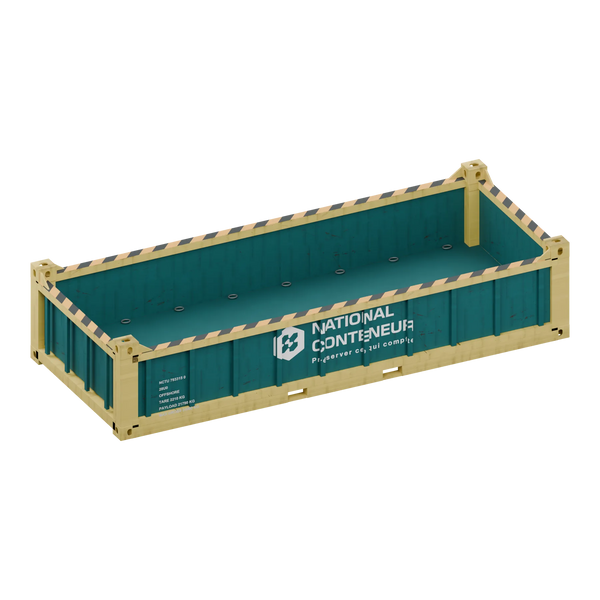
Format bas
Le demi-hauteur DNV répond aux charges denses et aux contraintes de levage offshore.
| Specification | Value | Key point |
|---|---|---|
| Norme | DNV 2.7-1 selon modèles | La conformité concerne les unités offshore levées en mer. |
| Levage | Points dédiés | Les points de levage doivent être documentés et adaptés. |
| Tarif | Sur devis | Le prix dépend du format, de l’état et des documents. |
Le choix de l’état
L’aspect attendu, l’usage et le budget orientent le choix. Demandez les photos et les caractéristiques du conteneur proposé avant de vous décider.


Un conteneur premier voyage est une unité récemment fabriquée qui a effectué un trajet maritime de positionnement. Son aspect est généralement proche du neuf, mais de petites marques de transport ou de manutention restent possibles.
C’est une option à privilégier pour une installation visible, un aménagement soigné ou un projet où l’état initial compte particulièrement. Demandez les photos et les caractéristiques du conteneur proposé.
Un conteneur d’occasion a déjà servi au transport maritime. Les bosses, les reprises de peinture, la corrosion et les réparations varient d’une unité à l’autre : l’appellation seule ne décrit pas son état réel.
Pour le stockage, le chantier ou un usage technique, une occasion contrôlée peut répondre au besoin avec un budget initial plus contenu. Distinguez les traces d’usage acceptables des défauts qui affectent la structure, la fermeture des portes ou l’étanchéité.
Pour un transport maritime international, faites aussi confirmer la validité CSC et l’aptitude de l’unité au transport prévu. La plaque ne remplace pas l’examen du conteneur.
À format comparable, l’occasion est généralement moins chère à l’achat. Vérifiez aussi ce que le devis inclut : le conteneur, le transport et le déchargement sur votre site.
À format identique, les dimensions nominales restent les mêmes ; la tare et la charge utile se vérifient sur les plaques. Pour un frigorifique, un Open Side ou un conteneur équipé, contrôlez aussi les équipements décisifs pour votre usage : groupe froid, portes ou installations.

Uses
Les usages DNV concernent les projets où la sécurité de levage prime. Le besoin doit intégrer documents, charge et environnement d’exploitation.
Les unités DNV accompagnent les opérations techniques en mer. La documentation est centrale.
Les conteneurs servent au transport d’outillage, pièces et consommables dans des conditions exigeantes.
Warranties
These warranties frame the purchase before delivery. They cover the inspection of the unit, technical advice, available documents and transport coordination.
Every unit is inspected before the sale. We check the structure, the doors, the seals, the floor and the points that matter for the intended use.
We frame the size, the condition and the site constraints before quoting. The choice remains tied to your use, the operating lifetime and the delivery method.
The available documents are handed over with the sale. The CSC plate — International Convention for Safe Containers — certifies safety compliance when it is required.
The delivery appointment is prepared around the access constraints. The truck, the drop-off and the handling are chosen according to the ground and the size ordered.
Understanding the price
Prices are not fixed for the year and may change from week to week. Size, condition, equipment and availability at the time of your enquiry all affect the quotation.
When more containers remain in circulation carrying goods, fewer may be available for sale. Availability affects pricing.
Port disruptions, changes to shipping routes or delayed returns can affect available stock and its location.
The container’s location and destination affect its delivered cost. A model held at a distant depot involves different transport requirements to your site.
Your quotation is prepared at the time of your enquiry. It specifies the included services and validity conditions.
Provide the delivery location, access photos, intended position and target date so these services can be quoted.
Plan access and unloadingProcess
You specify the container type, the intended use, the delivery town and any known access constraints.
We check the size, the condition, the useful options and the delivery feasibility before pricing the project.
The quote sets out the chosen configuration, the departure area, transport, unloading and the estimated lead times.
The delivery is scheduled with the right carrier. The drop-off is done according to the access, the ground and the size ordered.

Delivery
A container delivery is prepared before the truck leaves. The goal is to confirm the access, the placement area and the unloading method before the unit reaches the site.
National Conteneur helps you choose the right format, the right condition and the right delivery method.
FAQ
We offer Dry, Reefer, Open Side, Open Top, Hard Top, Flat Rack, Insulated, Offshore and Converted containers. Availability varies by format, condition and arrivals.
Yes, we deliver throughout mainland France with transport suited to the container format and site constraints. Access, the drop-off area and any handling needs are confirmed before shipping.
The lead time depends on the model, the chosen condition, available stock and delivery distance. Common formats can generally be scheduled quickly after the quote is confirmed.
You can request a quote online by specifying the container type, format, desired condition, delivery location and access constraints. An advisor will then confirm the most suitable solution.
Have other questions?